

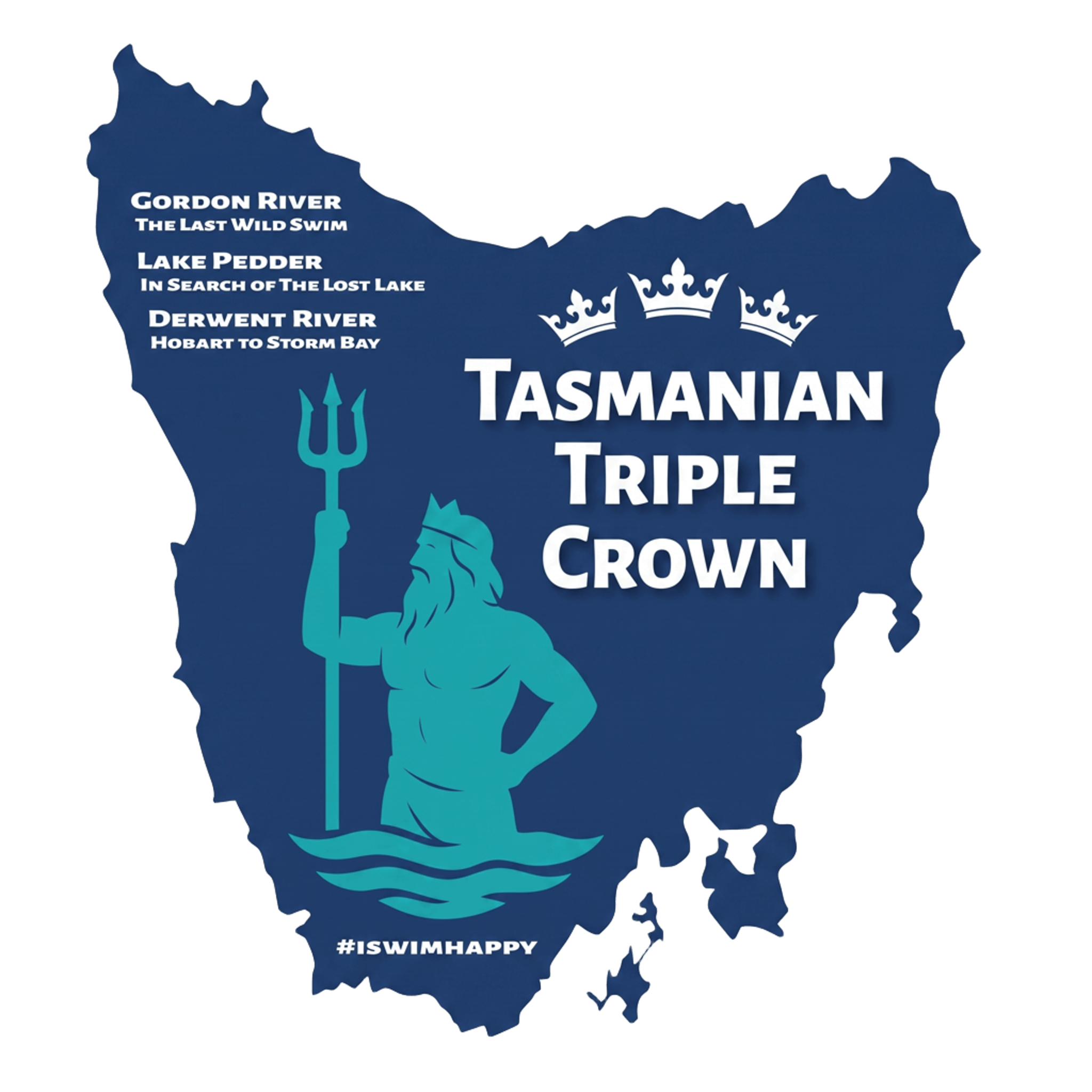


tasmanian triple crown
Set against Tasmania’s dramatic blend of primordial temperate rainforests, jagged mountain ranges, and tempestuous southern coastlines, these three ultra-marathon swims capture the island’s untamed, windswept spirit. The 23.5 km Gordon River journey - “The Last Wild Swim” plunges athletes into the icy, reflective depths of the World Heritage wilderness beneath ancient Huon pines, while the 21 km Lake Pedder swim - “In Search of The Lost Lake” exposes swimmers to sweeping winds and mountain-fringed isolation reminiscent of the Scottish Highlands. Transitioning from inland waters to the sea, the 22.5 km trek along the River Derwent - “Hobart to Stormy Bay” leads from urban Hobart past surging tides and ocean swells to the windswept Iron Pot Lighthouse at the edge of Storm Bay. Each course demands exceptional physical endurance and mental grit, turning Tasmania's raw, isolated geography into some of the most exclusive and formidable open-water frontiers in the world.
Before we begin the overview of the Tasmanian Triple Crown, it is important to recognise the singular achievement of Amy Appelhans Gubser. As of September 2026, Amy stands as the only swimmer to have successfully completed all three legs of the Tasmanian Triple Crown.
The last wild swim
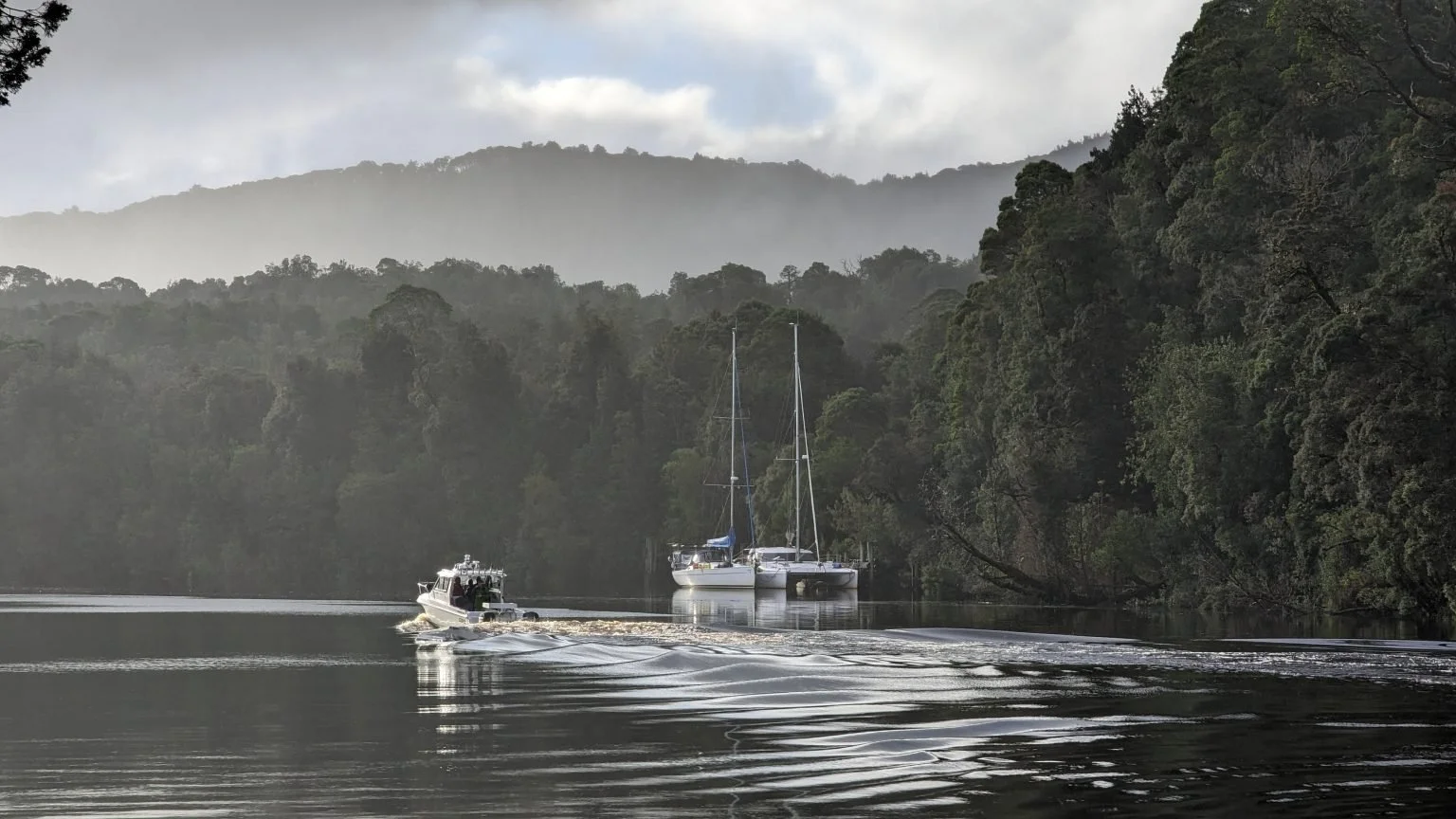
The 23.5 km Gordon River swim is an extraordinary journey through one of Tasmania’s most pristine and remote wilderness areas. The course begins at St Johns Falls and finishes at Heritage Landing, taking swimmers deep into the heart of the Tasmanian Wilderness World Heritage Area.
Surrounded by ancient rainforest, the Gordon River offers a truly immersive open-water experience. The river is lined with towering Huon pines and dense vegetation, creating a dramatic landscape that changes constantly along the course. Its dark, reflective waters are often cold, adding another demanding element to this already challenging swim.
The Gordon River is more than a test of physical endurance. Swimmers must be prepared for isolation, variable conditions and the psychological demands of spending many hours in a remote wilderness environment. The river’s length, cold water and limited accessibility make it an exceptional achievement for any experienced open-water swimmer.
With only two recorded successful completions, the Gordon River remains one of Tasmania’s most formidable and exclusive long-distance swims. Val Kalmikovs completed the course on 23 February 2024, followed by Amy Gubser, who swam the full distance on 11 March 2026. Completing this course represents an outstanding accomplishment in endurance swimming.
in search of the lost lake
The 21 km Lake Pedder swim is a spectacular open-water challenge across one of Tasmania’s most distinctive and remote inland landscapes. The course takes swimmers through the expansive waters of Lake Pedder, weaving between islands and beneath the rugged mountain ranges that surround the lake.
Often described as having a distinctly Scottish character, Lake Pedder combines vast open-water views with a powerful sense of solitude. Although the lake is now a large impoundment, it retains a remarkable sense of wildness and serenity. Its sweeping horizons, changing weather and remote setting create an unforgettable environment for long-distance swimming.
The course is designed to showcase the lake’s unique features rather than simply provide a direct crossing. Swimmers must contend with distance, exposure and potentially changing wind and water conditions. The surrounding landscape offers little shelter, making preparation, navigation and endurance essential.
Lake Pedder remains an untamed frontier in Tasmanian open-water swimming. Only four swimmers have officially completed the course, highlighting the difficulty and rarity of the achievement. Successfully swimming its 21 km demands exceptional fitness, determination and the ability to remain focused in a vast and isolated environment.
hobart to stormy bay
The 22.5 km swim from the Tasman Bridge to the Iron Pot Lighthouse is a challenging and dynamic journey through the waters of the River Derwent. Beginning near Hobart, the course leads swimmers away from the city and towards the exposed waters surrounding the entrance to the Southern Ocean.
This swim offers a constantly changing environment. The route moves from urban surroundings through open river conditions and towards a more rugged coastal landscape. Swimmers must be prepared for tidal movement, currents, changing weather and the increased exposure experienced as the course approaches the Iron Pot Lighthouse.
The combination of distance and environmental conditions makes this a demanding test of endurance. It requires careful planning, strong navigation skills and the ability to adapt to conditions throughout the swim. The course also provides a memorable contrast between Tasmania’s urban waterways and its wild southern coastline.
Rod Watkins became the first recorded solo swimmer to complete the course on 12 February 2022. Since then, fewer than 20 successful swims have been recorded. Reaching the Iron Pot Lighthouse is therefore a significant achievement, marking the completion of one of Tasmania’s most distinctive and demanding long-distance open-water challenges.